

Where Dracula Went Mad
The War Scars of Bela Lugosi

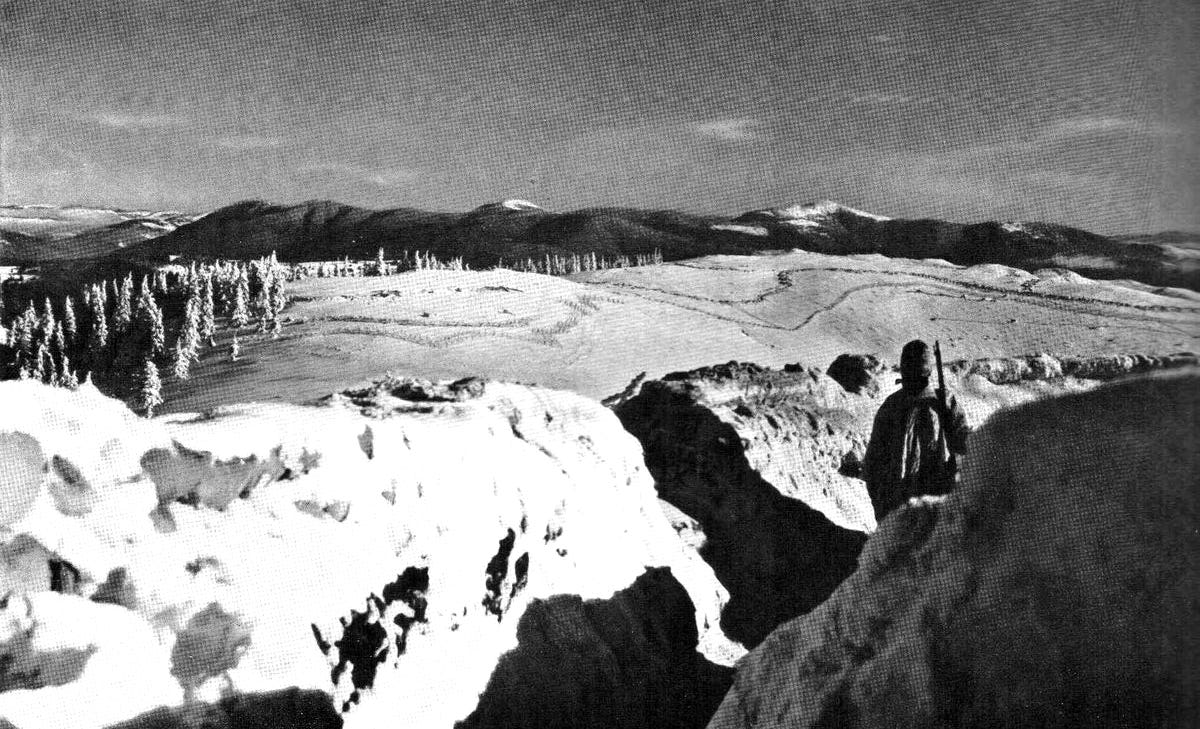
When war broke out in August 1914, Béla Ferenc Dezső Blaskó, a 31-year-old well stablished Hungarian actor, voluntarily enlisted along with millions of men of the Empire. According to most sources, he joined the 43rd Infantry Regiment, arriving on the Eastern Front. He soon found himself as a lieutenant of a ski patrol, as the Russians pushed the frontline to the Carpathian Mountains, and a harsh winter set in.
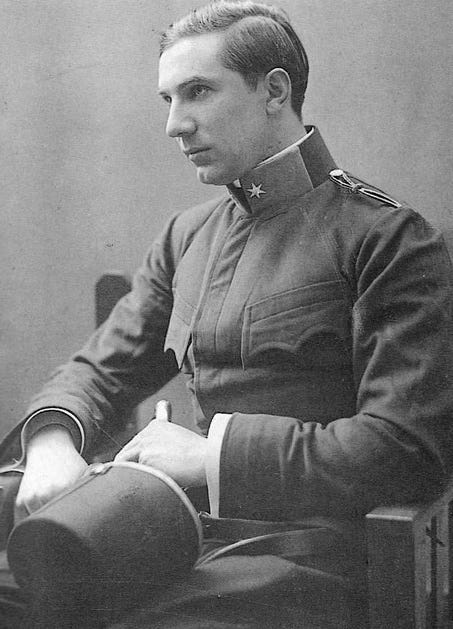
During the three years I was in the war, I was wounded three times. Twice the wounds were slight. Once, a bullet passed through my body and left me… living.
He most notably fought in the bloody Carpathian Winter Campaign and would end up receiving decorations for his war injuries. Aside from military medals, among the belongings he kept all his life was a gold ruble, allegedly obtained from a Russian soldier. He had “Béla” inscribed on one side and had a hole bored in it so he could wear it on a chain.
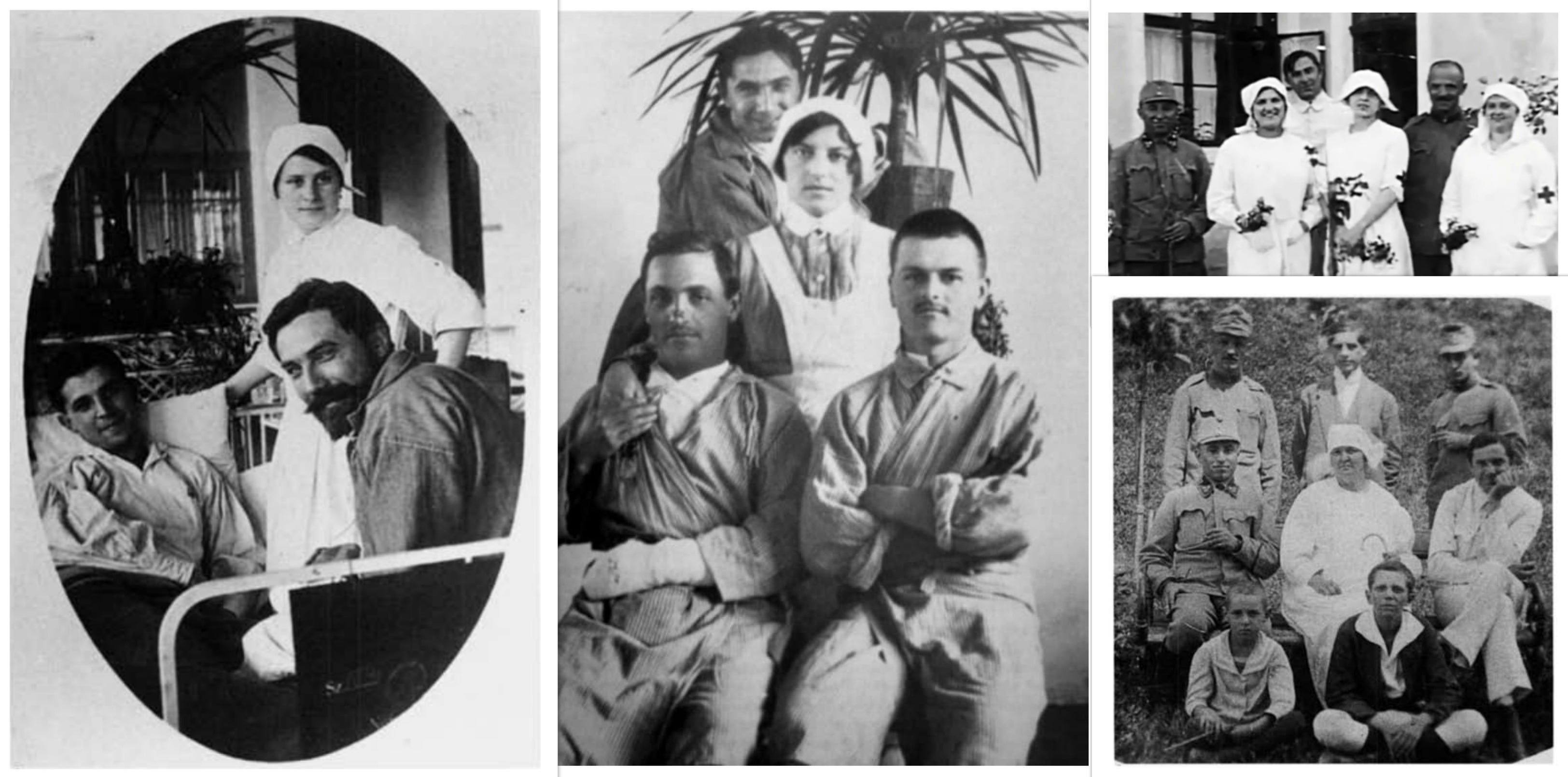
Béla was relieved of his duty in early 1916 due to a mental collapse, soon by April of that year he had returned to acting. When the war ended, he became a supporter of the Hungarian Soviet Republic. Following its defeat, when the Romanian Army marched into Budapest and a new Hungarian government took power, fearing for his life, Béla fled to the United States, where he adopted the surname Lugosi after his hometown, Lugoj.
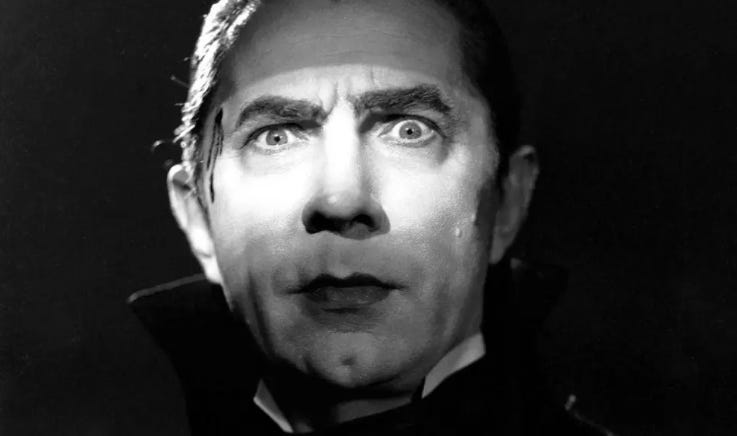
The Transylvania-born actor gained fame for playing Dracula on Broadway and soon starred in the original Dracula film, which immortalized the character that the world now associates with Dracula. His career was full of ups and downs as he suffered chronic neuropathic leg pain from wartime injuries and developed a morphine addiction that would plague him for many years.
Béla rarely ever spoke of his war experiences. Tho during a single interview in 1941 he revealed:
There was a moment I could never forget. We were protecting a forest from the Russians. All of us were cowering beneath huge trees, each man beneath a tree. A young officer, incautious, went a little way out of cover and a bullet struck his breast. I forgot the Russians were firing from their line with machine guns. Not a selfless man, I had one selfless moment. I ran to him and gave him first aid. I came back to my tree and found that it had been blown to the heavens in heavy, crushing pieces. I became hysterical. I wept there on the forest floor, like a child, not from fear, not even from relief, from gratitude at how God had paid me back for having that good heart. If I am mad, I ask, are not all men who have been through a war a little mad? Have they not the right to be a little mad?
Sources:
-The immortal count: the life and films of Bela Lugosi by Arthur Lennig
-July 1941, Silver Screen on beladraculalugosi Blog interviews archive
Good stuff
Great piece.